Environment

WHAT WE BELIEVE ABOUT SAVING ENVIRONMENT?
The inception of SHARE GLOBAL was based on a unique concept of restoration of human health and environment both together. Because of uncontrolled deforestation, urbanization at the cost of trees and inertia towards tree plantation world has now started experiencing destructive results of climate change. Unanimously it is believed that only restoration of earth’s green cover can save the next generation from devastating results of environment degradation.
Apart from this, uncontrolled use of chemical fertilizers and pesticides are also responsible for degradation of soil health, plant & insect biodiversity, ground water depletion and many other aspects of environment.
SHARE GLOBAL believes that this concept of mass organic farming using agro-forestry method not only can help achieve better health and environment it also can address many national issues like poverty, unemployment, damaged biodiversity, climate changes and many more.We believe that mass agriculture of medicinal plants along with conventional horticultural crops using organic farming practice can be revolutionary in addressing many national challenges altogether. Let’s explore how is it?
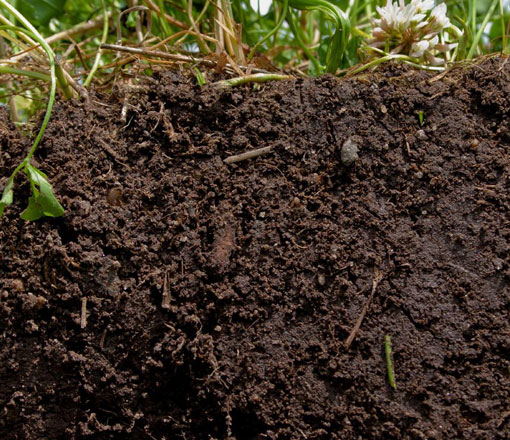
IMPROVEMENT OF SOIL HEALTH :
Organic farming in India is a holistic concept and is being followed since ancient time. It is a method of farming which primarily aimed at cultivating the land and raising crops such that the soil stays alive and are in good health, by use of bio-fertilizers made using cow urine, cow dung, organic wastes (crop and farm wastes, aquatic wastes) and other biological materials along with beneficial microbes (biofertilizers) to release nutrients to crops for increased sustainable production in an eco friendly pollution free environment.
Ancient classical texts such as Vriksharyurveda (Science of plant life) narrate such organic practice of farming not only for food crops but also for medicinal plants.Indian organic cultivation practices primarily aim to improve the biodiversity of soil micro-culture that maintains the long-term productivity of soil and may prove a large depository for excess carbon dioxide. Organic bio-fertilizers increase the abundance of soil organisms by providing organic matter and micronutrients for organisms and can drastically reduce external inputs of pesticides, energy and fertilizer, at the cost of decreased yield.
CONSERVATION OF CLEAN DRINKING WATER :
Limited water resources and clean water security are the greatest risks to prosperity currently facing the global community. According to the World Bank, some regions could see their growth rates decline by as much as 6% of GDP by 2050 as a result of water-related losses in agriculture, health, income, and property, unless steps are taken now to protect water supplies.
Many research reports have concluded that working with farmers and ranchers to improve their land management practices is an effective way to secure and increase supplies of clean water for people downstream in the long term. Even better, doing so could provide millions of rural farmers and landowners with new sources of income help restore and preserve grasslands and forests that can absorb vast quantities of carbon dioxide from the atmosphere, and provide more habitat for

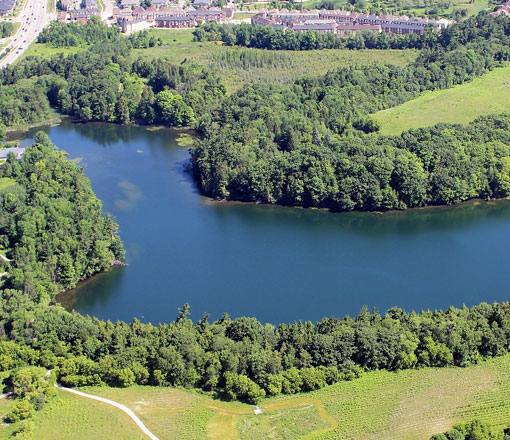
GENERATION OF HEALTHY WATERSHEDS :
Many of the core practices of organic farming including building soil organic matter, planting cover crops, spreading organic mulches, and maintaining areas of perennial plants and trees – help the soil absorb and retain water, reduce runoff, and help recharge underground aquifers. Organic fields hold more water during droughts and that 15-20% more water seeps down to the aquifer under organic fields than does under conventional fields). Use of slow-release fertilizers (which don’t wash away), and avoidance of man-made toxins, further recommend organic farming as a powerful part of creating healthy, resilient watersheds.
REDUCTION IN CARBON FOOTPRINT :
Polyculture organic farming has proven significant reduction in carbon footprint than mono-cultured conventional farming. Concept of agro-forestry that is mix cropping of large trees, shrubs, herbs and climbers is very much based on mimicking forest ecosystem. Mass agriculture on a mode of agro-forestry using suitable organic farm practice can certainly change the local ecosystem and eventually the overall climatic conditions. Restoration of soil micro-culture through ancient Indian organic farm practice greatly helps in fixation of environmental carbon in soil and thus contributes significantly in reducing carbon footprint.

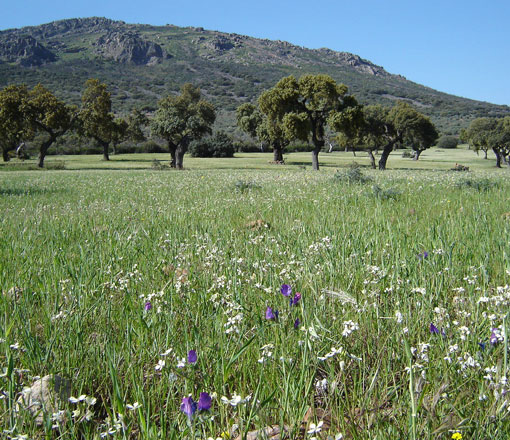
CONSERVATION OF BIODIVERSITY :
Organic farming produces clear benefits for biodiversity in comparison to conventional farming. Depending on altitude, organic farms have between 46 and72 percent more semi-natural habitats and host 30 percent more species and50 percent more individuals than non-organic farms. The lower farming intensities and higher proportion of semi-natural areas enable site-typical plant and animal species to survive on organic farms and allow farmers to benefit from an intact and therefore sustainably functioning ecosystem. Organic farming practices foster cycling of resources, promote ecological balance, and conserve biodiversity.
ECONOMICAL BENEFITS :
Organic Trade Association (OTA) reported that sales in the organic industry exceeded $50 billion in 2018. Increased interest in health, as well as concern over the environment, are leading many consumers to switch to organic products. Research shows that organic consumers are willing to pay a higher price for safer, higher quality organic products.Sales of organic food products can expand beyond the local farmers market or grocery store to include restaurants, giving an organic farmer a large market to target. Current health, environment, and animal treatment concerns suggest the organic trend will continue, making it a niche that can withstand a poor economy.

OUR ENVIRONMENTAL & ORGANIC FARM ACTIVITIES
WHAT DOES ‘SHARE GLOBAL’ DO?
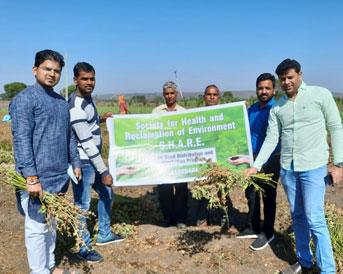
We at SHARE GLOBAL take our social responsibilities seriously and work for the welfare of the underprivileged community and for the society, at large.
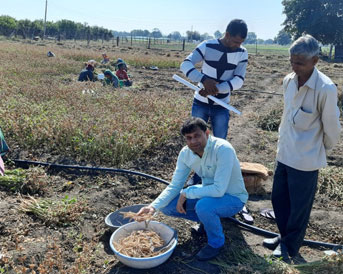
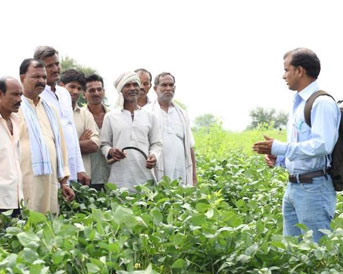
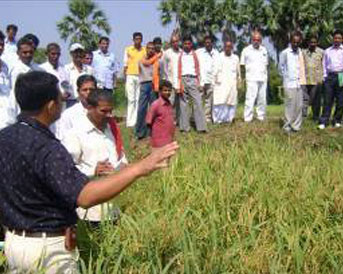
- We organize awareness camps & free training workshops for poor farmers and tribal people on how to generate substitute income sources through organic agriculture.
- We take up organic farming projects that can provide employment to tribal communities especially women and can provide better revenue options to marginal farmers.
- Under our organic farming projects we provide “seed to sale” support free of cost which includes quality seedling material, technical know-how, financial support and marketing platform.
- We assist rural communities to assess their vulnerabilities to climate and non-climatic risks. It organizes them in a socially and gender inclusive manner to help themselves out of poverty by regenerating their ecosystems in a holistic and integrated manner, conserving and optimizing resource use, especially soil water and vegetation and undertaking climate smart sustainable livelihoods.
- The intervention also extends to building women’s capacity to address their and their children’s concerns through health services and providing personal care advisories, and literacy, numeracy and personality development training.
- We help them acquire livelihood and life skills, by providing them with financial and business development support to start and successfully manage micro-enterprises, creating avenues of access to micro-insurance and provisioning drinking water and sanitation that more specifically address women’s concerns.
- We initiate and implement various development activities that not only enhance their economic status but also reduces drudgery and burden.
- We work towards the conservation of land and water resources, revival of degraded and marginalized regions and to set in place the processes of coordinated human effort and governance to this end.