Healthcare Services

Healthcare Services
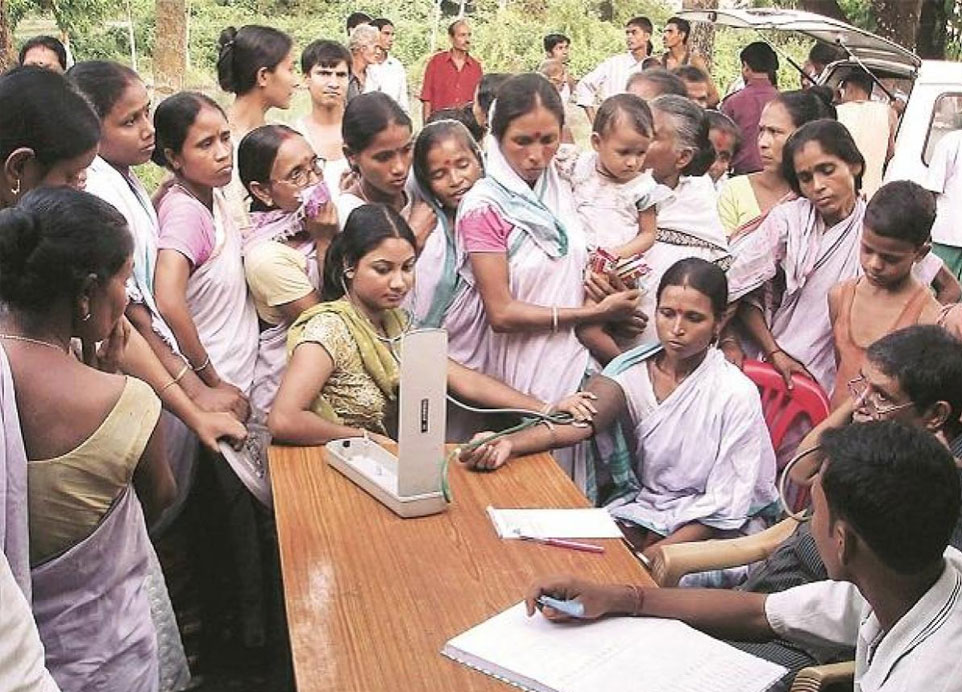
India has made rapid strides in the health sector since independence. However, various eye opening data from NFHS clearly indicate that access to Primary Healthcare still remains a challenge.While the health statistics of rural India continue to be poor, the health status and access to health for the poor in urban slum dwellers has surfaced to be equally deplorable and have less than 4% of government Primary Healthcare facilities.
Urban slum dwellers suffer from adverse health conditions owing to mainly two reasons –first the lack of education and thus lack of awareness; and second the unwillingness to lose a day’s wage in order to reach the nearest medical facility. Healthcare for underprivileged, which is a desperate need, thus remains unaddressed.The need of the hour is thus a two pronged approaches – first to bring quality healthcare services to doorsteps of the needy and second to promote healthcare awareness and contemporary healthcare seeking behavior among the underprivileged.
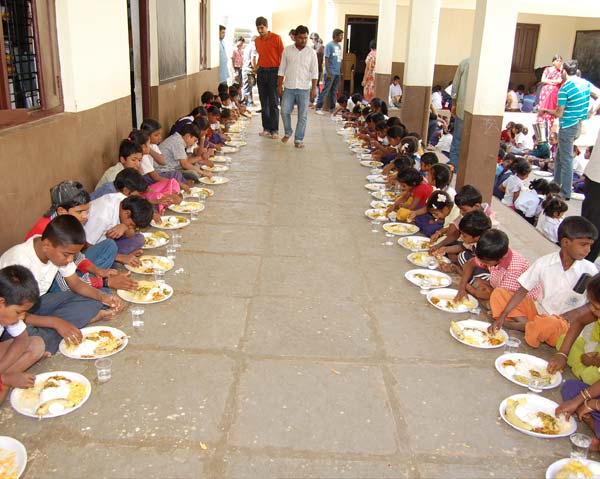
In such a scenario a mobile healthcare services delivery system is the most practical mechanism. And in subscription to this view, SHARE GLOBAL has initiated the Mobile Health Dispensary program. This is a unique mobile hospital program that addresses problems of accessibility and availability of primary healthcare with a special focus on children and women, in urban slums and remote rural areas.SHARE GLOBAL’s various Health programs have so far provided free healthcare services to more than 40,000 children and families.
Fight against Covid-19
Prevention is better than Cure
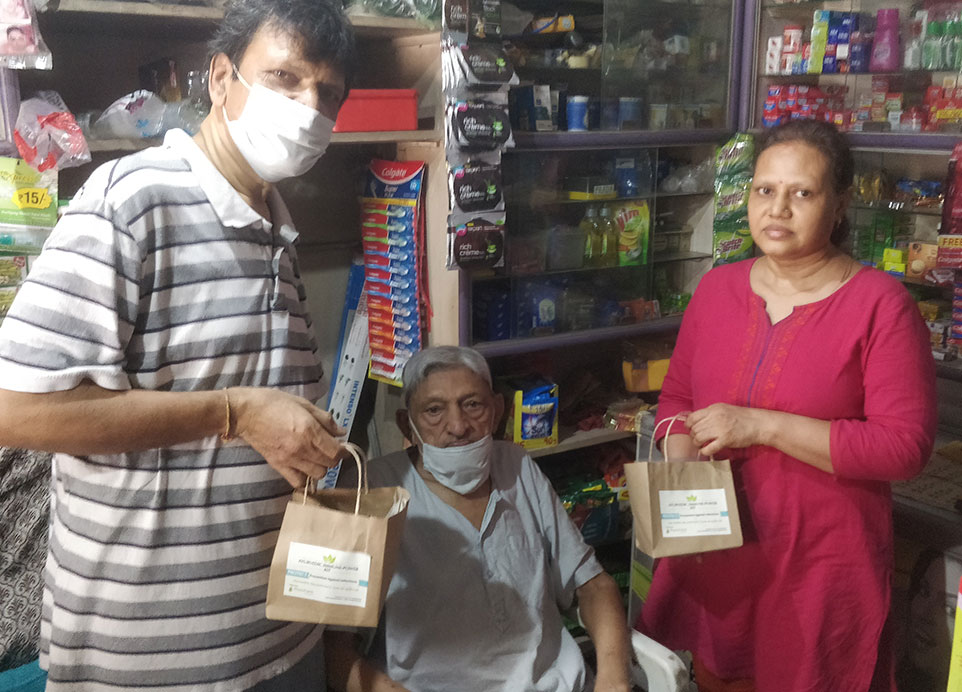
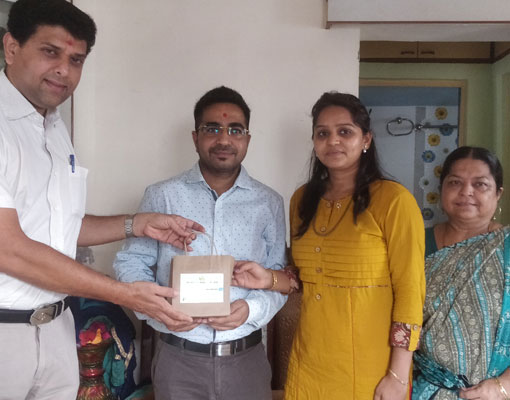
SHARE GLOBAL is on move to stop spread of Covid-19 by distributing kit of prophylactic Ayurvedic medicines. These are strong recommendation by Ministry of AYUSH (Govt. of India) in order to build immunity of individuals towards infection and to protect them from serious consequences such as hospitalization, oxygenation, ventilation etc. It saves people from health and financial crises both.
Apart from external precautions like hand sanitization, mask and social distance, internal strong immunity is also one of the essential weapon that helps stop further spread of infection and so as burden on civic health services. Besides vaccination, it has been proving the most effective way to fight the Covid-19 and saving lives.
Our Efforts
We also do below activities
Apart from external precautions like hand sanitization, mask and social distance, internal strong immunity is also one of the essential weapon that helps stop further spread of infection and so as burden on civic health services. Besides vaccination, it has been proving the most effective way to fight the Covid-19 and saving lives.
- Awareness programs on personal hygiene and self-care during home isolation.
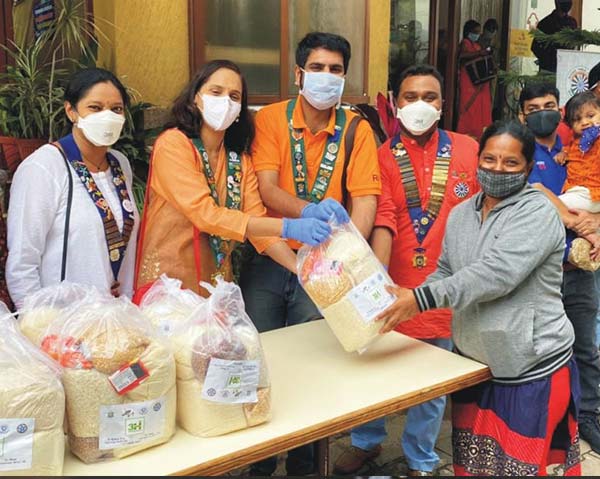
- Free distribution of Grocery kits to needy
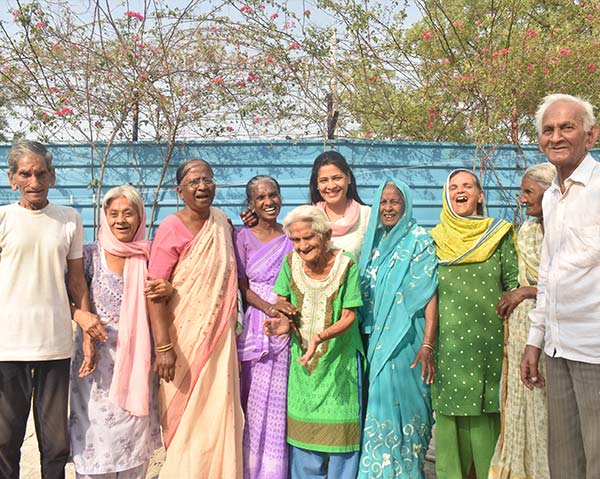
- Senior citizen day care
- Anemia eradication program in teenage girls and pregnant women of rural area
- Free distribution of nutritional health supplement to malnourished children of rural area
Health Education
Importance of personal hygiene for general health:
Personal hygiene entails more than just being clean. It includes the many practices that help people be, and stay, healthy. Many of the health problems that adolescents face, are linked to their activities and habits.
SHARE Global is considering personal hygiene and civic hygiene as one of the biggest issues in Indian people in respect to social health. Hence, one team of SHARE Global is dedicated to resolve this issue in various states of India. Recently as a part of COVID-19 pandemic prevention, in collaboration of Municipal corporation of Ahmedabad, Vadodara, Surat, and Rajkot, SHARE Global has conducted more than 44 personal hygiene training and awareness program for class III and class IV government servants especially those who are involved in maintaining hospital and city hygiene.
Here below are some important points for our views:
Importance of personal hygiene for COVID-19 pandemic:
Can you catch the coronavirus disease (COVID-19) from food? How should I do laundry now? Mundane household tasks have turned into a source of uncertainty and anxiety as families grapple with getting the basics done all while keeping their loved ones safe and healthy. Widespread misinformation about the virus puts everyone at risk and adds to the stress of having to filter fact from fiction.
While research into the COVID-19 virus is ongoing, we know the virus is transmitted through direct contact with respiratory droplets of an infected person (through coughing and sneezing), and touching surfaces contaminated with the virus. The virus may survive on surfaces for a few hours up to several days. The good news? Simple disinfectants can kill it. Now what does this mean for your home?
To give parents a helping hand, we compiled the latest expert information on what is known about COVID-19 and tips to help keep it out of your home.
Cleaning and hygiene tips to protect against COVID-19
Personal hygiene
Simple hygiene measures can help protect your family’s health and everyone else's.
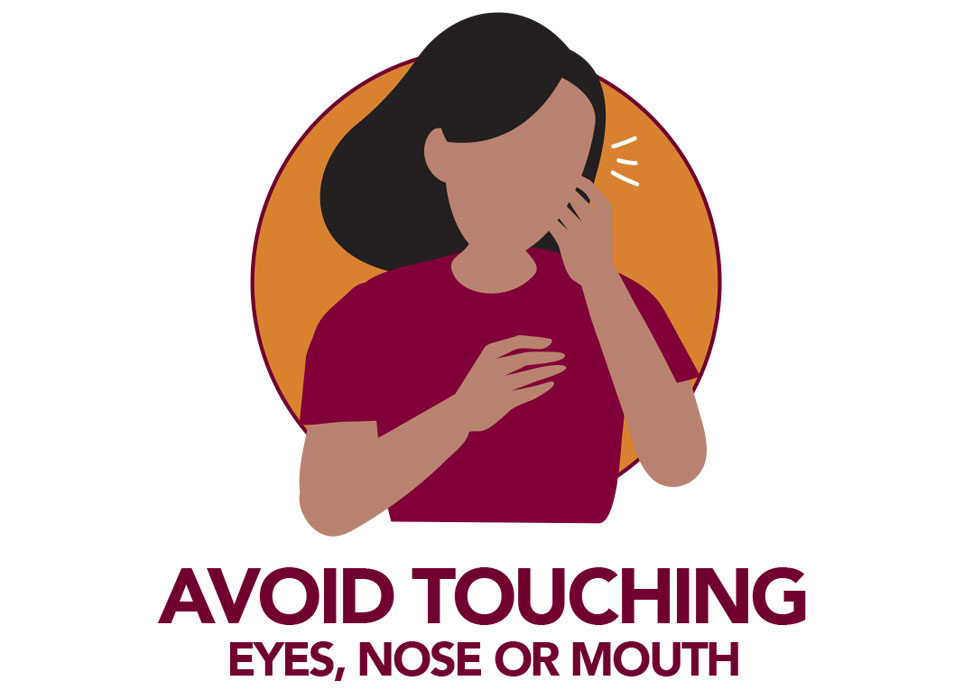
- Don’t touch your face
- Avoid touching your eyes, nose and mouth.
- Don’t cough or sneeze into your hands
- Cover your mouth and nose with your elbow or tissue when coughing or sneezing. Dispose of used tissue immediately.
- Keep your distance
- Maintain a distance of at least 1 meter (3 feet) from people who are coughing or sneezing
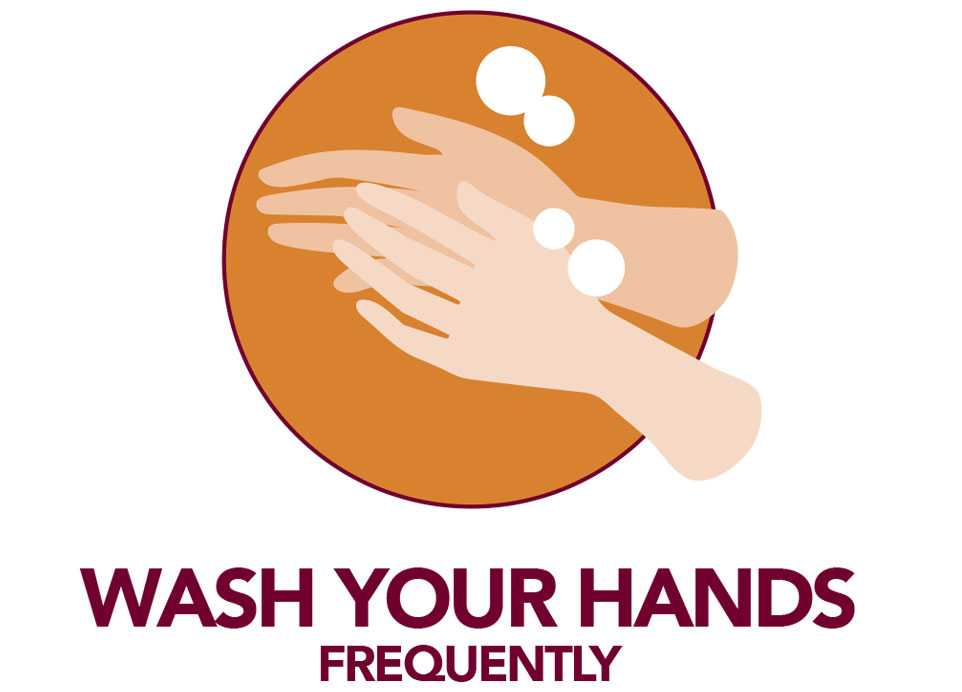
Wash, wash, wash your hands
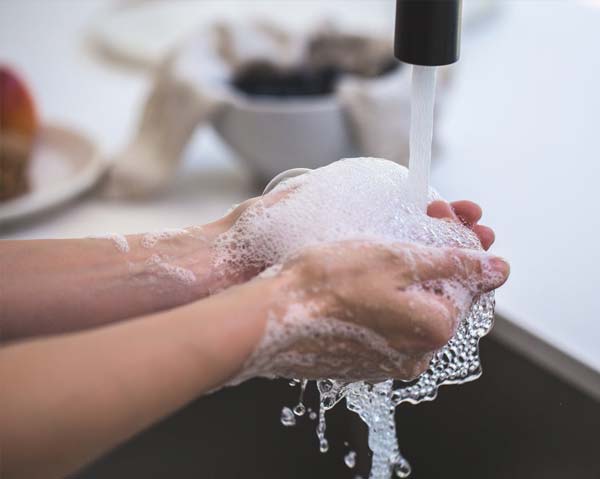
Yes, you’re hearing it everywhere, because it’s the best line of defence. Wash hands frequently with soap and water for at least 20-30 seconds.
An easy way to time it with your children is by singing the full happy birthday song, twice.
Make sure to wash hands after you blow your nose, sneeze into a tissue, use the restroom, when you leave and return to your home, before preparing or eating food, applying make-up, handling contact lenses etc.
If using a hand sanitizer ensure that it contains at least 60 per cent alcohol, ensure coverage on all parts of the hands and rub hands together for 20-30 seconds until hands feel dry. If hands are visibly dirty, always wash hands with soap and water.
Did you know?
Cold water and warm water are equally effective at killing germs and viruses — as long as you use soap and wash your hands the right way
- Cleaning around the home
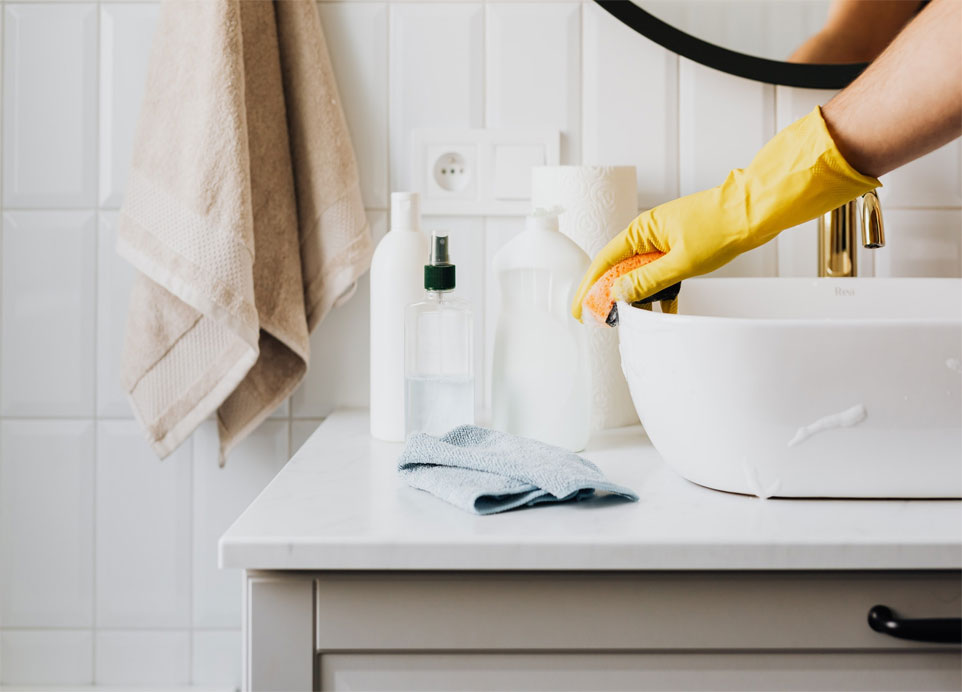
- Cleaning and disinfecting high-touch surfaces in your home regularly is an important precaution to lower the risk of infection.
- Follow cleaning product instructions for safe and effective use, including precautions you should take when applying the product, such as wearing gloves and making sure you have good ventilation.
- Some national authorities have made lists of recommended products for use against the COVID-19 virus.
Handling and preparing food
While at present there is no evidence of people catching the COVID-19 virus from food or food packaging, it may be possible that people can become infected by touching a surface or object contaminated by the virus and then touching their face.
The greater risk comes from being in close contact with other people while outside food shopping or receiving a food delivery (as receiving any delivery in areas with local transmission). As always, good hygiene is important when handling food to prevent any food-borne illnesses.
Food packaging and handling precautions
- Remove any unnecessary packaging and dispose into a waste bin with a lid.
- Remove food from take-out containers, place on a clean plate and dispose of the container.
- Packaging like cans can be wiped clean with a disinfectant before being opened or stored.
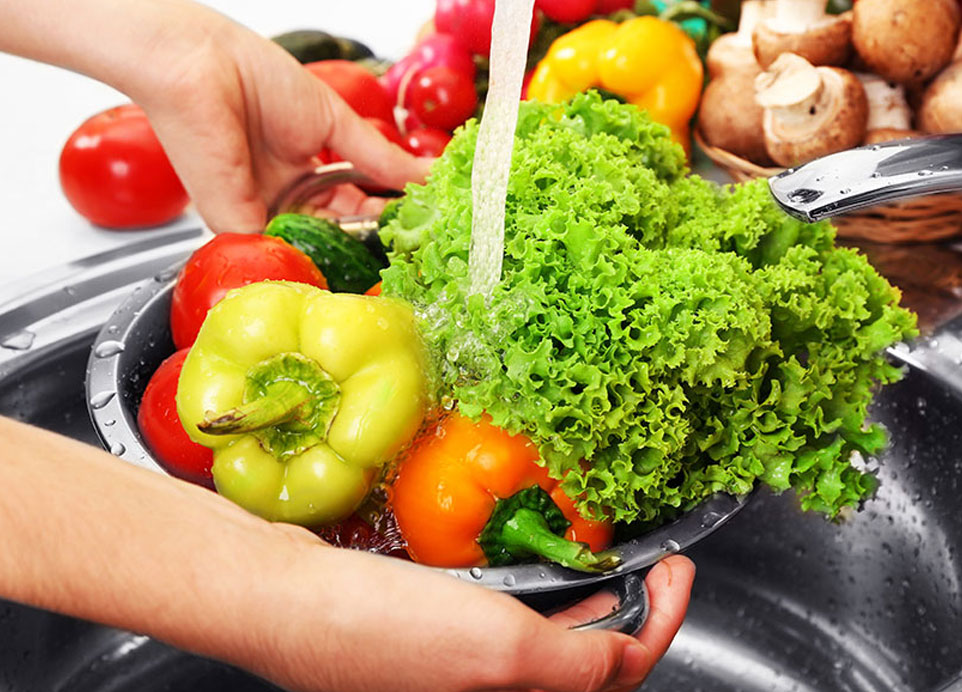
- Wash unpackaged produce, such as fruit and vegetables, thoroughly under running water.
- Wash your hands with soap and water, or use an alcohol-based hand rub, immediately afterwards.
- Remove food from take-out containers, place on a clean plate and dispose of the container.
- Packaging like cans can be wiped clean with a disinfectant before being opened or stored.
- Wash unpackaged produce, such as fruit and vegetables, thoroughly under running water.
- Wash your hands with soap and water, or use an alcohol-based hand rub, immediately afterwards.
General food hygiene tips
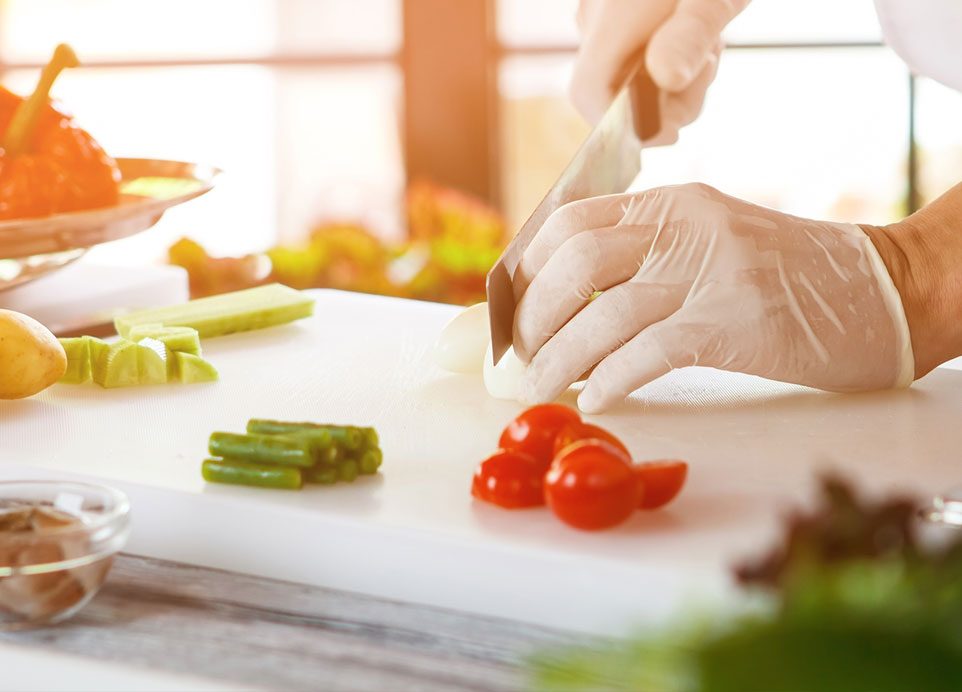
- Wash your hands thoroughly with soap and water for at least 20 seconds before preparing any food.
- Use separate chopping boards to prepare uncooked meat and fish.
- Cook food to the recommended temperature.
- Where possible, keep perishable items refrigerated or frozen, and pay attention to product expiry dates.
- Aim to recycle or dispose of food waste and packaging in an appropriate and sanitary manner, avoiding build-up of refuse which could attract pests.
- Wash your hands with soap and water for at least 20 seconds before eating and make sure your children do the same.
- Always use clean utensils and plates.
Apart from this, SHARE Global is also conducting following health education and training programs
- Child nutrition in order to prevent child death due to malnutrition
- Anemia in teen age girls and pregnant women of Rural India
- Women nutrition especially pregnant women of Rural India
- Personal hygiene in pregnant women of Rural India
- Non-communicable disease such as Diabetes, Cancer, Heart disease etc
- De-addiction